How To Create A Cozy Reading Nook In A Small Apartment
A practical step-by-step guide to How to create a cozy reading nook in a small apartment, including preparation, instructions, common issues, tips, and next steps.

How To Create A Cozy Reading Nook In A Small Apartment
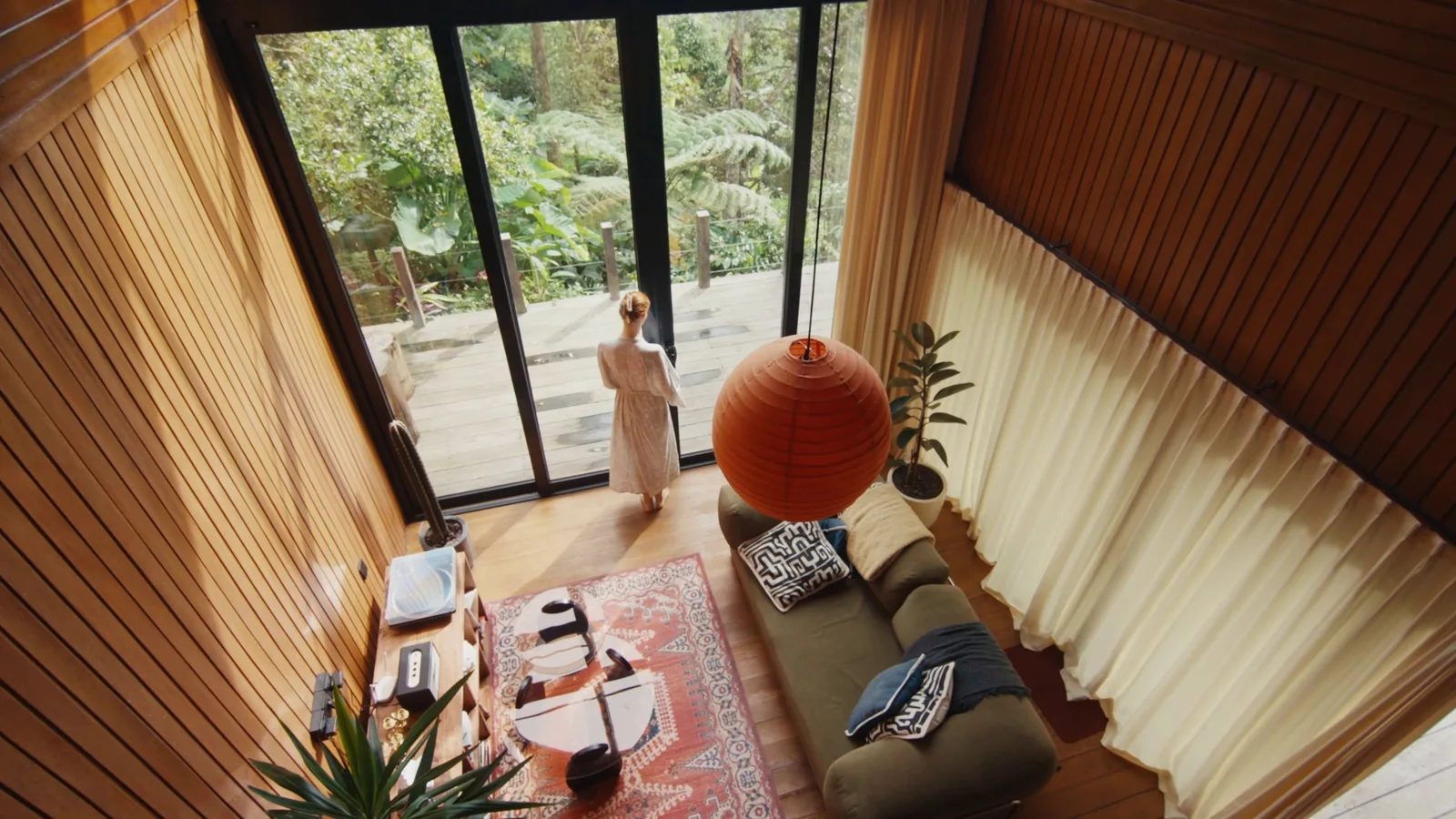
Creating a cozy reading nook in a small apartment is about carving out a dedicated spot that invites relaxation without requiring extra floor space, expensive furniture, or major renovations. With careful planning, you can transform a corner, a windowsill, or even a closet into a comfortable retreat where you can unwind with a book. This guide walks you through choosing the right location, selecting essential elements like seating, lighting, and storage, and adding personal touches that make the space feel like your own.
Fast Answer
- Pick a quiet corner with good natural light and enough room for a comfortable chair, then layer in soft lighting, a small side table, and textiles to make it inviting.
- Use vertical space and multi-purpose furniture to keep the nook functional in a small apartment, ensuring it doesn't overcrowd the room or block walking paths.
Before You Start
- Measure the available space in your chosen corner, including width and depth, to ensure your seating and side table will fit without blocking doorways or walkways.
- Assess the lighting in that spot throughout the day, noting where natural light falls and whether you'll need additional lamps for evening reading.
- Gather inspiration by looking at cozy reading nook ideas online or in magazines, focusing on small spaces and noting the colors, textures, and furniture styles you like.
- Set a budget and list what you already own that could work, such as a comfortable chair, a small table, or extra pillows, to minimize new purchases.
Step-by-Step Instructions
Choose the Right Spot for Your Nook
Begin by walking through your apartment and identifying potential corners or alcoves that are underused. Look for a spot that gets natural light during the day but isn't in direct glare, which can make reading uncomfortable. Ideally, the area should be away from high-traffic zones like the kitchen or entryway to minimize distractions. Measure the space carefully; you need enough room for a chair and a small side table, with a little extra for legroom. Check that there's a nearby power outlet if you plan to use a lamp or charge devices. Also, consider the temperature; avoid spots near drafty windows or heating vents. Once you've chosen a location, clear it of clutter and give it a quick clean. This step is crucial because the right spot sets the foundation for comfort and functionality, and a poorly chosen area will make the nook feel cramped or uninviting.
Select Comfortable Seating That Fits
The chair is the heart of your reading nook, so choose one that supports your back and encourages you to sit for long periods. In a small apartment, opt for a compact armchair or a slipper chair that doesn't overwhelm the space. Test it out: sit in it and imagine reading for an hour; your feet should touch the floor or a footstool, and your neck shouldn't strain. If you already own a chair, consider adding a lumbar pillow or a thick cushion to improve comfort. For an even cozier feel, a beanbag chair or a floor cushion with a backrest can work in tight spots. Measure the chair's dimensions against your chosen area to ensure it fits without blocking walkways. Also, think about the chair's style and color; it should complement your existing decor. A comfortable chair is non-negotiable because without it, you won't want to spend time in your nook.
Add Lighting for Day and Night Reading
Good lighting is essential for reading without eye strain. Start with natural light: position your nook so you can read by daylight, but avoid direct sun that causes glare. For evenings, you'll need a dedicated reading lamp. A floor lamp with an adjustable arm works well because you can direct light onto your book without lighting the whole room. Alternatively, a wall-mounted sconce saves floor space and provides focused light. Look for lamps with warm white bulbs (around 2700K to 3000K) to create a cozy atmosphere. Place the lamp so the light falls over your shoulder or from the side, not directly in your eyes. If you have multiple light sources, use a dimmer switch to adjust brightness. Check that cords don't create a tripping hazard; use cord covers or route them along the wall. Proper lighting reduces eye fatigue and makes your nook usable at any hour.
Incorporate a Small Side Table or Storage
You'll need a surface to hold your book, a cup of tea, or your glasses. In a small apartment, choose a side table that's proportional to your chair and doesn't take up too much floor space. A C-shaped table that slides under the chair seat is ideal because it tucks away when not in use. Alternatively, a small stool or a stack of sturdy boxes covered with a cloth can serve as a table. If you have wall space, install a slim floating shelf at arm's reach to hold essentials. For storage, consider a basket under the table for magazines or a small bin for a throw blanket. Keep the tabletop clutter-free; only keep what you need for a reading session. This step is important because having a designated spot for your items prevents you from getting up constantly, which breaks the relaxation mood. Also, a tidy nook feels more inviting and helps you focus on your book.
Layer Textiles for Warmth and Comfort
Textiles add softness, color, and warmth to your nook, making it feel cozy and personal. Start with a comfortable cushion for your chair; a lumbar pillow supports your lower back, while a throw pillow adds decoration. Drape a soft throw blanket over the back of the chair or keep it in a basket nearby for chilly evenings. If your floor is hard, place a small rug under the chair to define the nook and add warmth underfoot. Choose materials that feel good against your skin, like cotton, wool, or fleece. For a cohesive look, pick a color palette that complements your apartment's existing decor—perhaps two or three colors that repeat in the pillow, blanket, and rug. Washable covers are practical for easy cleaning. Avoid overcrowding; you want the nook to feel snug, not stuffed. Textiles are key because they engage your sense of touch and make the space feel like a retreat from the rest of the apartment.
Personalize and Maintain Your Nook
Once the basics are in place, add personal touches that make the nook uniquely yours. Hang a piece of art or a favorite quote on the wall, or place a small plant nearby for a touch of nature. A scented candle or a diffuser can enhance the ambiance, but never leave flames unattended. Keep a small tray for your reading glasses, a pen, and a notebook to jot down thoughts. To maintain the nook's appeal, establish a routine: fluff pillows, fold blankets, and clear away cups after each use. Every few months, reassess the space; you might want to rotate books, change the artwork, or adjust the lighting as seasons change. This step matters because a personalized nook feels like an extension of yourself, encouraging you to use it regularly. Also, regular upkeep prevents clutter from accumulating, which can quickly turn a cozy spot into a storage area. A little attention keeps the nook inviting for years.
Quick Reference
| Situation | Action | Why it helps |
|---|---|---|
| You have limited floor space and can't fit a full armchair. | Use a floor cushion with a backrest or a folding butterfly chair that can be stored upright when not in use, and pair it with a small tray table that folds flat. | These options take up minimal space and can be easily tucked away, allowing you to enjoy a reading nook without permanently sacrificing floor area in your small apartment. |
| Your nook gets too much glare from a window during the day. | Install sheer curtains or adjustable blinds that filter the light, and position your chair so the window is to your side rather than in front of you. | Direct glare causes eye strain and makes reading uncomfortable; controlling the light with curtains and strategic placement ensures comfortable reading conditions at any time of day. |
| You don't have a power outlet near your chosen spot for a lamp. | Use a battery-operated or rechargeable LED lamp, or run an extension cord along the wall with a cord cover to prevent tripping, and check that the cord doesn't block walkways. | Without proper lighting, your nook is unusable in the evening; battery lamps or safely routed cords solve the problem without major electrical work, keeping the space functional and safe. |
Common Issues
- The nook feels cramped and cluttered.: Remove any non-essential items and choose furniture with a small footprint. Use vertical storage like wall shelves instead of floor bins, and keep only one or two decorative pieces. A clear space feels larger and more relaxing.
- The chair is uncomfortable for long reading sessions.: Add a supportive cushion or lumbar pillow, or place a footstool under your feet to improve circulation. If the chair is still uncomfortable, consider replacing it with a compact ergonomic option that fits your body and space.
- There's not enough light to read in the evening.: Add a dedicated reading lamp with an adjustable neck, and use a warm white bulb. If outlets are scarce, choose a rechargeable lamp. Position the light to shine over your shoulder, not directly into your eyes.
Advanced Tips
- Use a small folding screen or a tall plant to visually separate your nook from the rest of the room, creating a sense of privacy without building walls.
- Install a wall-mounted shelf at eye level to hold your current reads, freeing up your side table and keeping the space organized.
- Choose a chair with a swivel base so you can easily turn toward the light or reach your table without getting up, adding convenience in a tight space.
Final Checklist
- Measure your chosen corner to confirm it fits your chair and side table without blocking walkways or doors.
- Test the lighting at different times of day to ensure you have adequate light for reading without glare.
- Sit in your nook for at least 15 minutes to check comfort; adjust cushions or lamp position as needed.
- Clear away any clutter and establish a simple routine to keep the space tidy and inviting.
FAQ
Can I create a reading nook if I live in a studio apartment?
Yes, even in a studio apartment, you can carve out a nook by using a corner, the end of a hallway, or a spot beside a window. Choose multi-functional furniture like a storage ottoman that can serve as both a seat and a table, and use vertical space with wall shelves. Keep the area defined with a rug and a lamp to make it feel like a separate zone, and be diligent about tidying so it doesn't blend into your living space.
How do I make my reading nook cozy without spending a lot of money?
You can create coziness with items you already own or by shopping secondhand. Use a comfortable blanket and pillows you have, rearrange furniture to find the best spot, and add a small lamp with a warm bulb. A thrifted chair or a floor cushion can be affordable. Focus on textures and lighting rather than expensive decor, and personalize with free items like library books or a plant cutting. The goal is comfort, not cost.
What should I do if my reading nook is too dark during the day?
If your nook lacks natural light, supplement with artificial lighting. Add a floor lamp or a table lamp with a bright, cool white bulb for daytime reading, or use a rechargeable clip-on light. You can also place a mirror opposite a window to reflect light into the area. If possible, choose a different spot that gets more daylight. Avoid relying solely on overhead lights, as they can cause glare and eye strain.